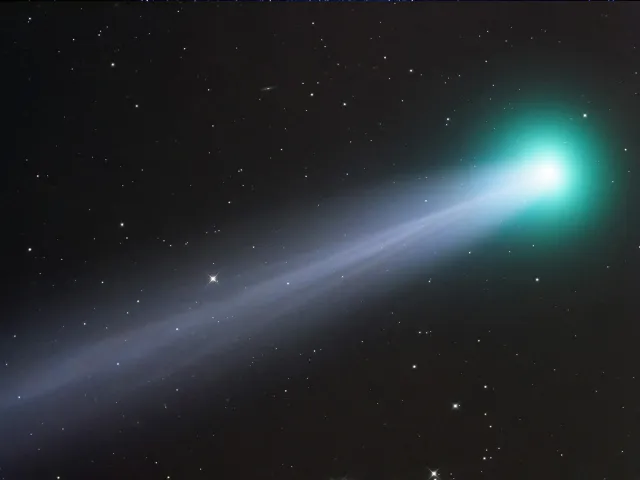

Every October, Earth passes through a trail of dust and debris left behind by one of the most famous comets in history: Halley’s Comet.
The result is the Orionid meteor shower, one of the most well-known meteor showers of the year.
In 2026, the Orionids will be active throughout October and into early November, giving skywatchers plenty of opportunities to see fast-moving meteors streak across the night sky.
When Is the Orionid Meteor Shower in 2026?
The Orionids are active from approximately October 2 through November 7, 2026.
The shower reaches its peak on the night of October 21–22, when the greatest number of meteors can be seen.
You don’t have to wait for the exact peak to see Orionid meteors. Activity can be seen for several weeks around the peak.
Where Do the Orionids Come From?
The Orionids are created by tiny pieces of dust and rock left behind by 1P/Halley, better known as Halley’s Comet.
As Earth travels around the Sun, it passes through this stream of comet debris. The particles enter Earth’s atmosphere at extremely high speeds and heat up, creating bright streaks of light.
These streaks are what we call meteors.
Halley’s Comet takes about 76 years to orbit the Sun. It was last visible from Earth in 1986 and is expected to return in 2061.
How Many Meteors Can You See?
Under ideal dark-sky conditions, the Orionids can produce roughly 10–20 meteors per hour around their peak.
However, the actual number you see depends heavily on light pollution, weather, the Moon, and how clear your view of the sky is.
In a city, you may see only a few meteors per hour.
That is why finding a darker location away from streetlights can make a major difference.
When Is the Best Time to Watch?
The Orionids are best observed during the early morning hours, particularly after midnight and toward dawn.
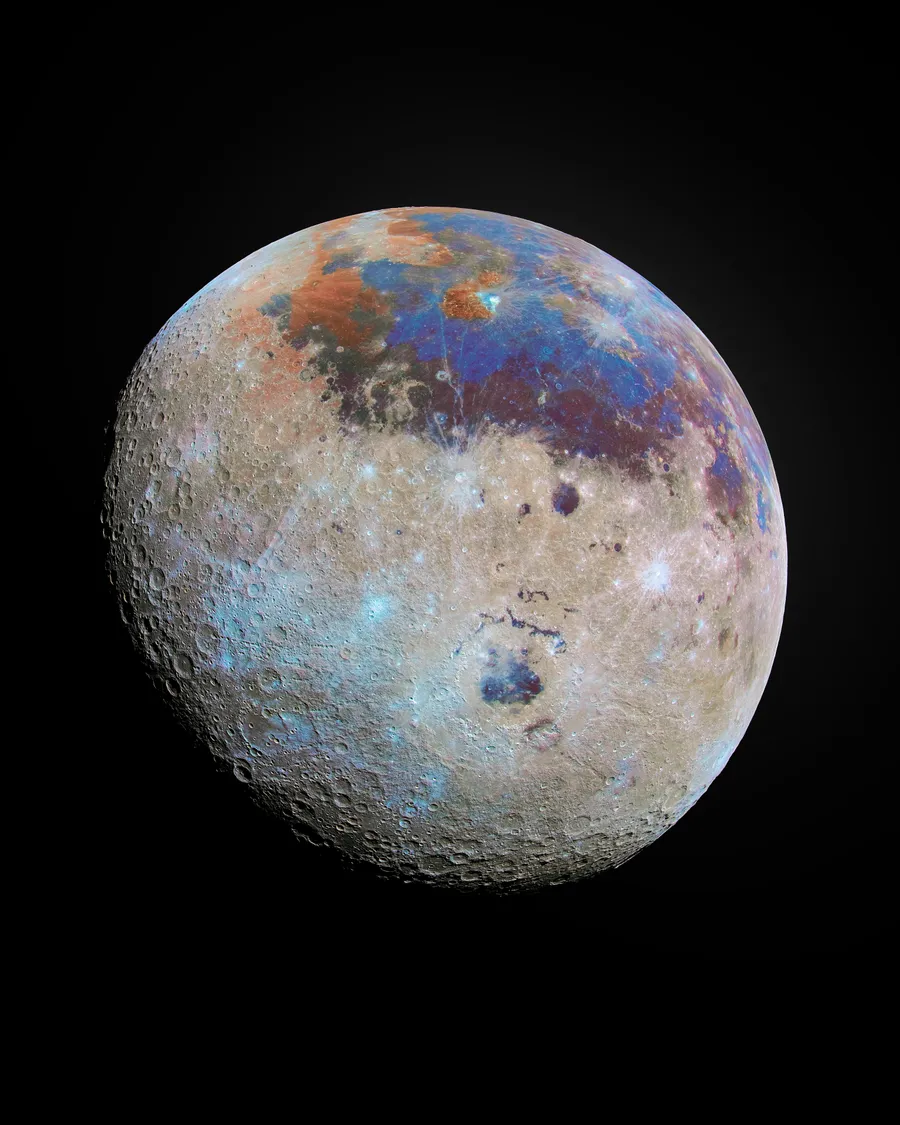
In 2026, moonlight will make some of the fainter meteors harder to see around the peak. One of the better opportunities may come during the hours before sunrise, after the Moon has set.
For the best experience, give yourself plenty of time outside rather than watching for only a few minutes.
Where Should You Look?
The Orionids appear to come from the direction of the constellation Orion, which is where the meteor shower gets its name.
However, you don’t need to stare directly at Orion.
Meteors can appear anywhere across the sky, so it is better to look at a broad area of dark sky.
Lie back or use a comfortable chair and give your eyes around 15–20 minutes to adjust to the darkness.
Do You Need a Telescope?
No.
In fact, a telescope is not ideal for watching a meteor shower because its narrow field of view makes it harder to catch fast-moving meteors.
The best equipment is simply:
- Your eyes
- A dark location
- A comfortable chair or blanket
- Warm clothing
- Patience
Binoculars and telescopes can be useful for exploring stars and planets before or after the meteor shower, but they aren’t necessary for seeing Orionid meteors.
Can You Photograph the Orionids?
Yes.
The Orionids can be an excellent target for astrophotography.
A camera mounted on a tripod can capture a wide section of the night sky while using a long exposure. Shooting many photographs over a period of time increases the chance of capturing a meteor.
For an interesting composition, include something in the foreground, such as trees, mountains or a building.
You don’t necessarily need expensive equipment. Even some modern smartphones can capture brighter meteors when used with a stable tripod and suitable night photography settings.
Why Are Orionid Meteors So Fast?
One of the interesting characteristics of the Orionids is their speed.
The meteoroids enter Earth’s atmosphere at around 66 kilometers per second, making them among the faster annual meteor showers. Some Orionids can leave glowing trails that remain visible for a short time after the meteor itself disappears.
This combination of speed and brightness makes the Orionids especially exciting to watch.
Orionids vs. Draconids
October has two notable meteor showers.
The Draconids peak earlier in the month, around October 8–9, while the Orionids peak around October 21–22.
The Draconids are usually less active and are best observed during the evening. The Orionids are generally more active and are best viewed during the early morning hours.
That makes October a particularly good month for meteor-watchers.
The Best Way to Watch the Orionids
For the best chance of seeing meteors:
- Find a dark location away from city lights.
- Check the weather before going outside.
- Go outside after midnight.
- Let your eyes adjust to the darkness.
- Look at a wide area of sky rather than one specific point.
- Stay outside for at least 30 minutes.
- Avoid bright phone screens whenever possible.
You don’t need to see dozens of meteors for the experience to be worthwhile. Sometimes one bright meteor appearing unexpectedly across the sky is enough to make the night memorable.
Final Thoughts
The Orionid meteor shower is a reminder that some of the most beautiful sights in the night sky are connected to objects far beyond Earth.
Every Orionid meteor is a tiny piece of material from Halley’s Comet, burning up high above our planet.
In 2026, the best time to watch is around October 21–22, but the shower remains active for weeks.
Find a dark sky, look up, and you might catch a piece of a famous comet crossing Earth’s atmosphere.
Clear skies!
Leave a Reply