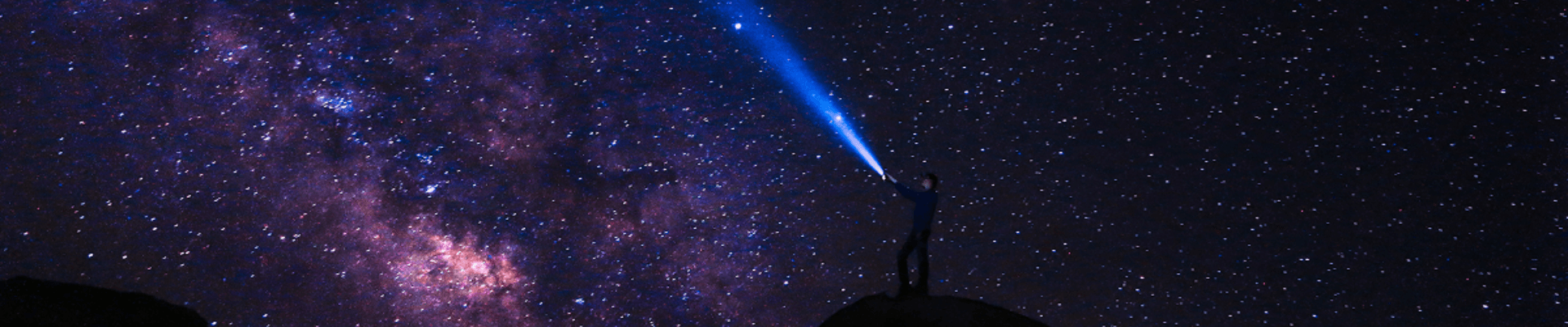
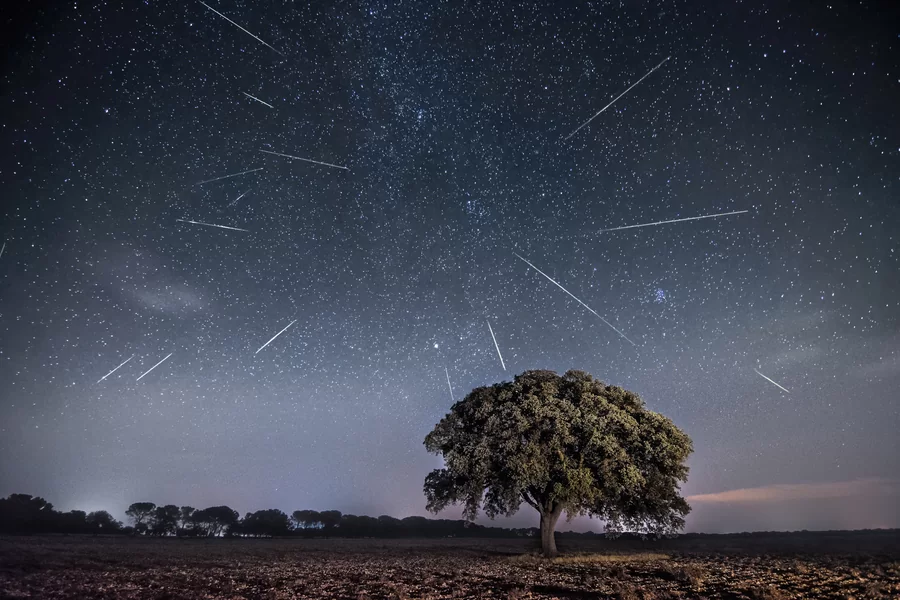

The Draconid meteor shower returns to the night sky this October, giving skywatchers a chance to see shooting stars without needing a telescope or other special equipment.
In 2026, the Draconids are active from October 6 to October 10, with the peak expected during the night of October 8–9. This year’s shower is especially interesting because the peak occurs just before the New Moon on October 10, meaning moonlight will have very little effect on visibility.
When Is the Draconid Meteor Shower in 2026?
The Draconid meteor shower is active from October 6 through October 10, 2026.
The best opportunity to see the shower will be around the night of October 8–9, when activity reaches its peak. Unlike many other meteor showers, the Draconids are best viewed during the evening hours, rather than in the early morning.
Draconid Meteor Shower 2026 at a Glance
- Active: October 6–10
- Peak: October 8–9
- Best time: Evening after darkness
- Radiant: Constellation Draco
- Typical activity: Around 5 meteors per hour under ideal conditions
- Moon: Very favorable, with the New Moon occurring October 10
- Equipment: No telescope required
The Draconids are generally a modest meteor shower, but they are known for being unpredictable. In some years, they have produced much stronger outbursts than their usual activity. No major outburst is currently predicted for 2026.
Why Are They Called the Draconids?
The name “Draconids” comes from the constellation Draco, the Dragon, where the meteors appear to originate.
The radiant is the point in the sky from which the meteors seem to come. However, you don’t need to stare directly at Draco to see the shower. Meteors can streak across a large portion of the night sky, and looking at a wider area can actually give you a better chance of catching one.
What Causes the Draconid Meteor Shower?
The Draconids are created by dust and small particles left behind by Comet 21P/Giacobini-Zinner.
As Earth moves around the Sun, it periodically passes through the stream of debris left by the comet. When these tiny particles enter Earth’s atmosphere at high speed, they heat up and glow, producing the bright streaks commonly known as shooting stars.
The meteors are therefore not actually stars falling from the sky. They are tiny pieces of cometary debris burning up in Earth’s atmosphere.
How Many Draconid Meteors Can You See?
Under ideal dark-sky conditions, the Draconids typically produce only a few meteors per hour, with a commonly cited rate of around five per hour.
That means you should not expect the same number of shooting stars seen during stronger annual showers such as the Perseids or Geminids.
However, the Draconids have an important advantage: they can sometimes produce unexpected bursts of activity. Their history makes them an interesting shower to watch even when a major outburst is not predicted.
Where Is the Best Place to Watch the Draconids?
The best place to watch the Draconids is somewhere with as little artificial light as possible.
Try to get away from:
- City lights
- Street lamps
- Buildings with bright outdoor lighting
- Cars and other sources of direct light
A dark rural area, open field, hilltop, or other location with a wide view of the sky can make a significant difference.
You don’t need a telescope or binoculars. In fact, your eyes are the best tool for watching a meteor shower because they allow you to see a much wider area of the sky.
How to Watch the Draconid Meteor Shower
Watching the Draconids is simple.
Find a comfortable location, lie back or sit in a reclining chair, and allow your eyes to adjust to the darkness. Avoid looking at your phone frequently because its bright screen can make it harder for your eyes to adapt.
Give yourself at least 15–20 minutes to become comfortable in the dark.
Then simply look up and scan a large area of the sky.
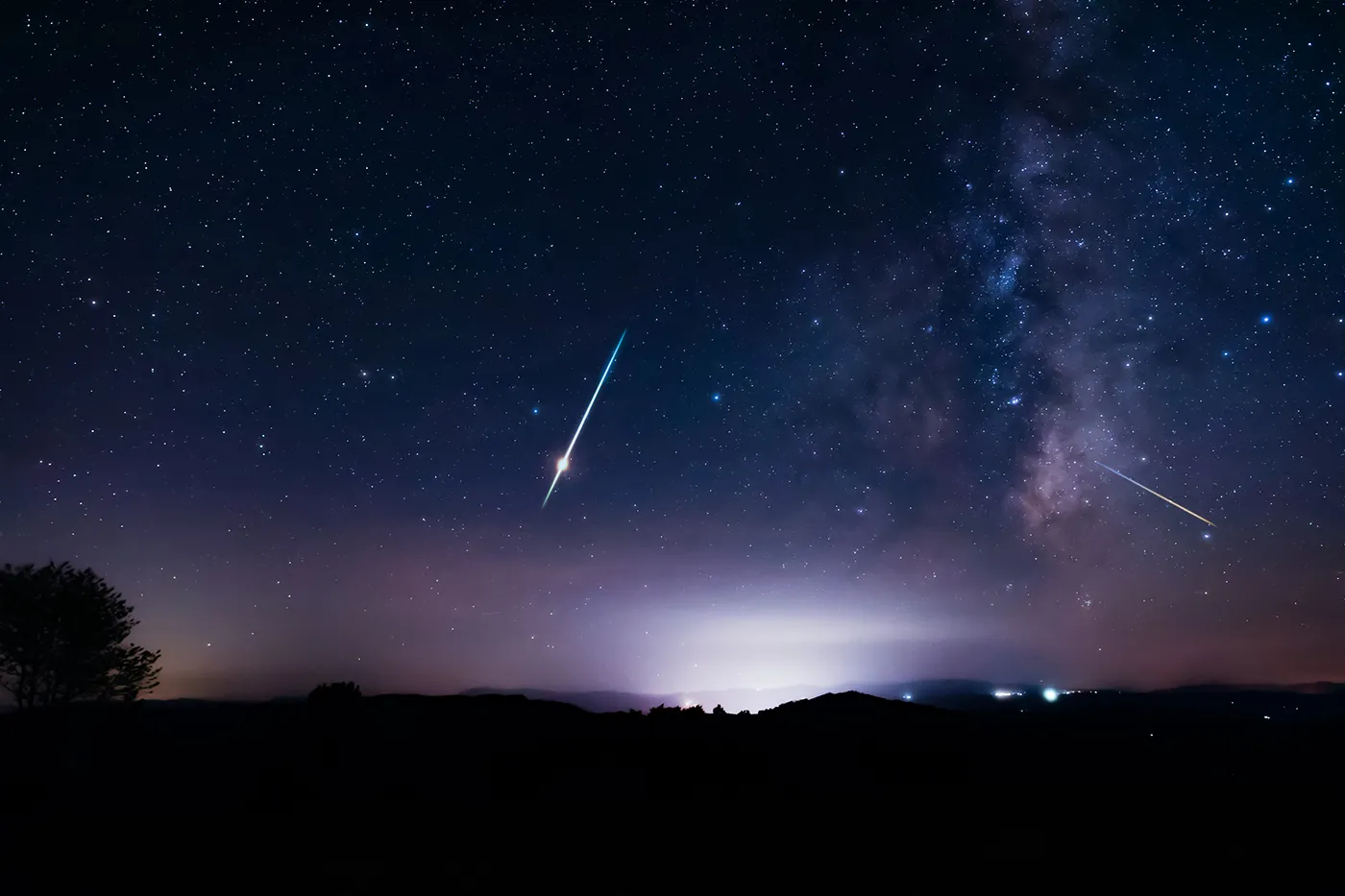
You may see a meteor appear suddenly and disappear within a fraction of a second.
Will the Moon Affect the Draconids in 2026?
This is one of the best things about the 2026 Draconids.
The shower peaks on October 8–9, while the New Moon occurs on October 10. That means there will be very little moonlight competing with the meteors around the peak.
Dark skies are especially important for a relatively modest meteor shower like the Draconids, because faint meteors can easily disappear against a bright sky.
Are the Draconids Visible Without a Telescope?
Yes.
You do not need a telescope, binoculars, or any special equipment to watch the Draconid meteor shower.
All you need is:
- A clear sky
- A dark location
- A comfortable place to sit or lie down
- Some patience
A camera can also be used for astrophotography, but capturing meteors requires longer exposures and careful positioning.
Draconids vs. Orionids in October 2026
The Draconids aren’t the only meteor shower this month.
The Orionid meteor shower reaches its peak later in October, around October 21–22. The Orionids are generally more active than the Draconids, but moonlight will interfere more with the Orionids this year.
That makes the Draconids particularly attractive for skywatchers who want to enjoy a meteor shower under darker skies.
Final Thoughts
The Draconid meteor shower may not be the year’s biggest meteor shower, but it is one of October’s most interesting skywatching events.
In 2026, the combination of the October 8–9 peak and the approaching New Moon provides excellent dark-sky conditions. If the weather is clear, find a dark location, leave the telescope at home, give your eyes time to adjust, and simply watch the sky.
You might only see a handful of meteors—or you could get lucky and catch an unexpected burst.
Either way, October 8–9 is a night worth looking up.
Clear skies!
Leave a Reply