
The October 2026 Full Moon will reach peak illumination on October 26, 2026, at 04:12 UTC. Traditionally known as the Hunter’s Moon, this lunar event will light up the night sky and offer excellent opportunities for stargazing and lunar photography around the world. The exact local date and time may vary depending on your time zone.
When Is the October 2026 Full Moon?
The October Full Moon occurs on Monday, October 26, 2026. This is the moment when the Moon appears fully illuminated from Earth because the side facing our planet is turned toward the Sun.
Although the exact full phase lasts only an instant astronomically, the Moon will appear almost completely full for several nights around October 26.
For the best viewing experience, consider observing the Moon around moonrise on October 25 or 26. The precise moonrise time depends on your location, so check a local astronomical calendar before heading outside.
Why Is It Called the Hunter’s Moon?
The name Hunter’s Moon comes from traditional seasonal naming practices in the Northern Hemisphere. Historically, October was associated with hunting and preparing for the winter months.
Following the autumn harvest, cleared fields made it easier to spot animals, while bright moonlight provided additional visibility after sunset. These seasonal associations helped establish the name that is still widely used today.
The Hunter’s Moon is traditionally the first Full Moon after the Harvest Moon. These names are cultural traditions rather than official astronomical classifications.
What Makes the Hunter’s Moon Special?
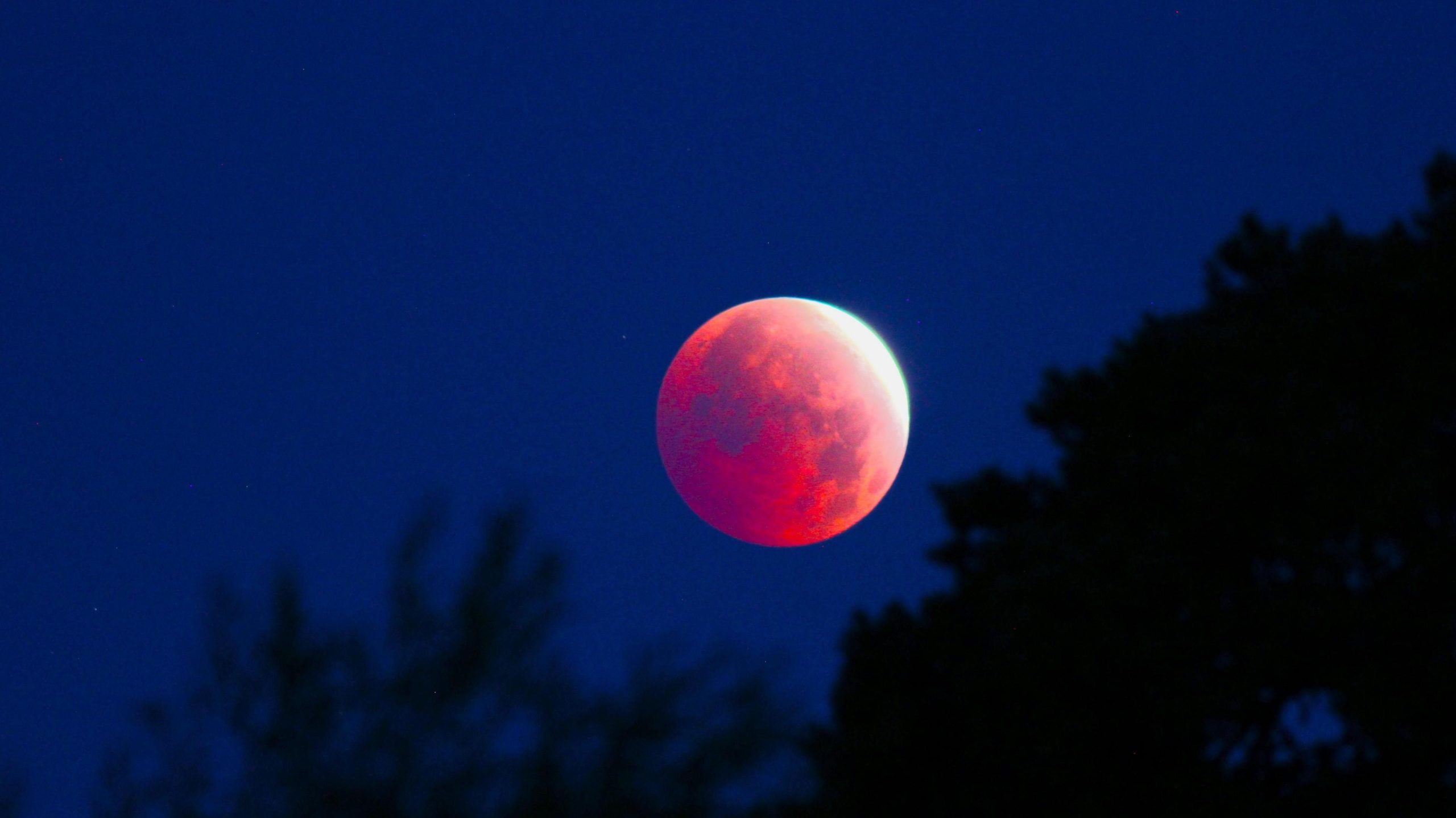
One of the most striking sights is the Moon rising above the horizon. During this time, it can appear golden, yellow, orange, or reddish.
This color effect occurs because moonlight travels through more of Earth’s atmosphere when the Moon is low in the sky. Shorter blue wavelengths are scattered more strongly, allowing warmer colors to become more noticeable.
The Moon may also appear unusually large near the horizon. This phenomenon is called the Moon illusion. Although it can look enormous beside buildings, trees, or mountains, its apparent enlargement is mainly a perceptual effect.
The Hunter’s Moon is not automatically a supermoon. A supermoon classification depends on the Moon’s orbital position and distance from Earth, rather than its traditional name.
How to Watch and Photograph the October Full Moon
You do not need a telescope or expensive equipment to enjoy the Hunter’s Moon. It is easily visible to the naked eye when weather conditions are favorable.
Here are five ways to make the most of the event:
- Find an open horizon: Choose a location with an unobstructed view of the sky.
- Check the weather forecast: Clear skies provide the best visibility.
- Watch moonrise: The Moon may display warm colors when it first appears above the horizon.
- Use a tripod: If photographing the Moon, a stable camera or smartphone can help produce sharper images.
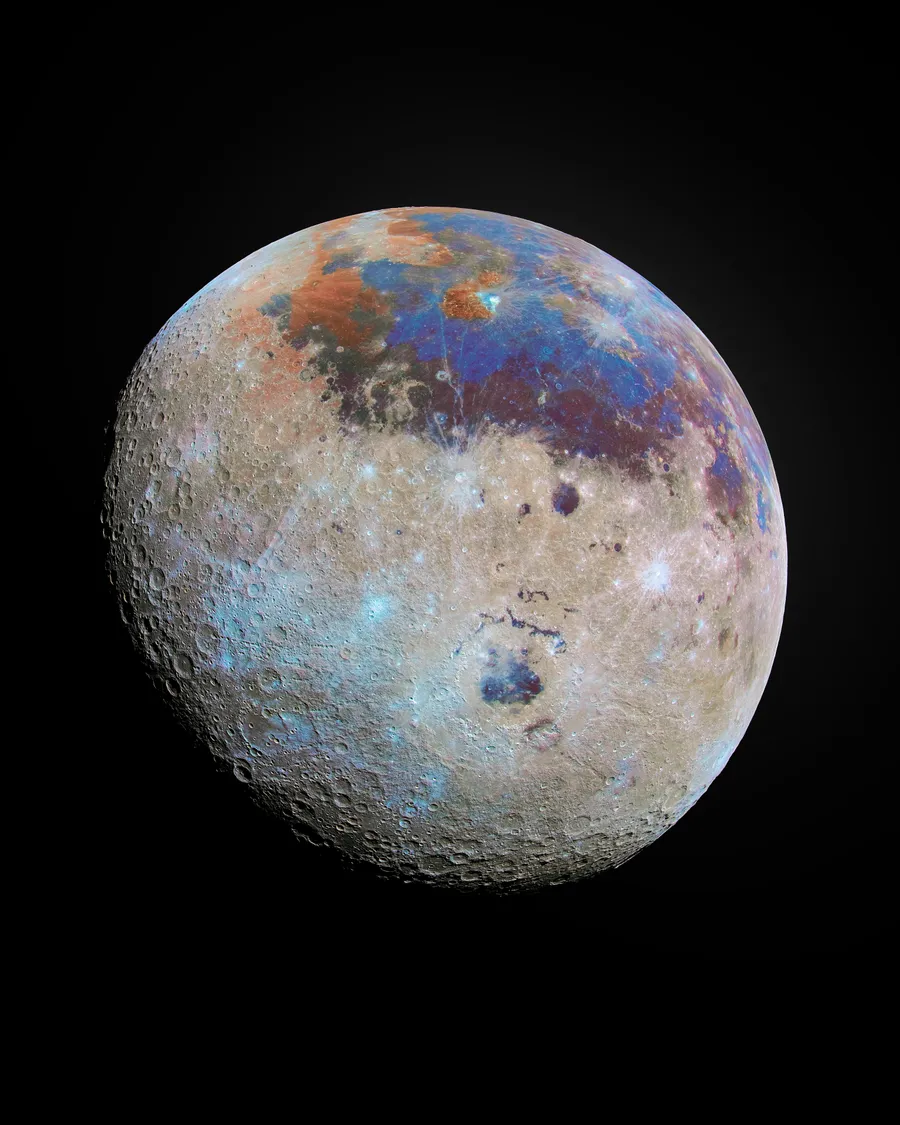
- Try binoculars: Binoculars can reveal major lunar features, including darker plains and prominent craters.
For photographers, including a recognizable foreground object can create a more dramatic composition and give the Moon a stronger sense of scale.
What Is the Next Full Moon After October 2026?
The next Full Moon after the Hunter’s Moon will occur on November 24, 2026, and is traditionally known as the Beaver Moon.
The December Full Moon, commonly called the Cold Moon, will follow on December 24 in UTC. Local calendars may show a different date depending on the time zone.
Each monthly Full Moon provides another opportunity to observe Earth’s natural satellite and explore the changing appearance of the night sky.
Frequently Asked Questions
When is the October 2026 Full Moon?
The Full Moon reaches its peak on October 26, 2026, at 04:12 UTC. The local date and time depend on your time zone.
Why is it called the Hunter’s Moon?
The name traditionally refers to the Full Moon following the Harvest Moon, associated with autumn hunting and preparations for winter in the Northern Hemisphere.
Can I see the Hunter’s Moon without a telescope?
Yes. The Moon is visible to the naked eye, and binoculars can help reveal additional surface details.
Why does the Moon look orange when it rises?
Moonlight passes through more of Earth’s atmosphere near the horizon, scattering shorter wavelengths and making warmer colors more noticeable.
Is the October 2026 Full Moon a supermoon?
No. The October Hunter’s Moon is not generally classified as a supermoon.
When is the next Full Moon?
The next Full Moon will occur on November 24, 2026, and is known as the Beaver Moon.
Final Thoughts
The October 2026 Hunter’s Moon is a beautiful opportunity to connect with the night sky. Whether you enjoy astronomy, photography, or simply watching the Moon rise, the nights around October 25–26 offer a good chance to observe this familiar celestial sight.
Check your local moonrise times, find a clear view of the horizon, and enjoy one of the most recognizable sights in the autumn sky.
Leave a Reply